Solar Energy in New York
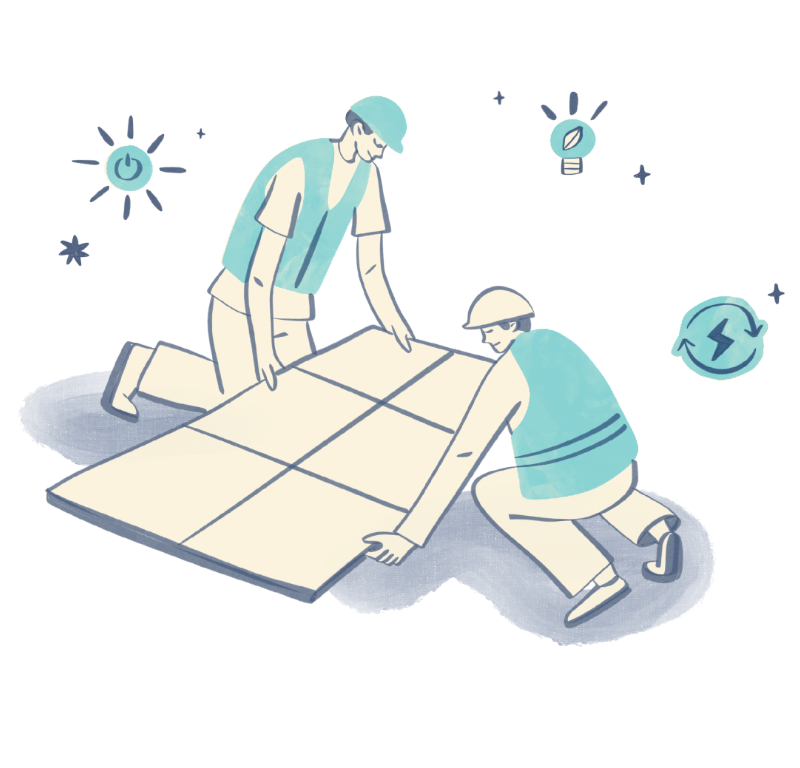
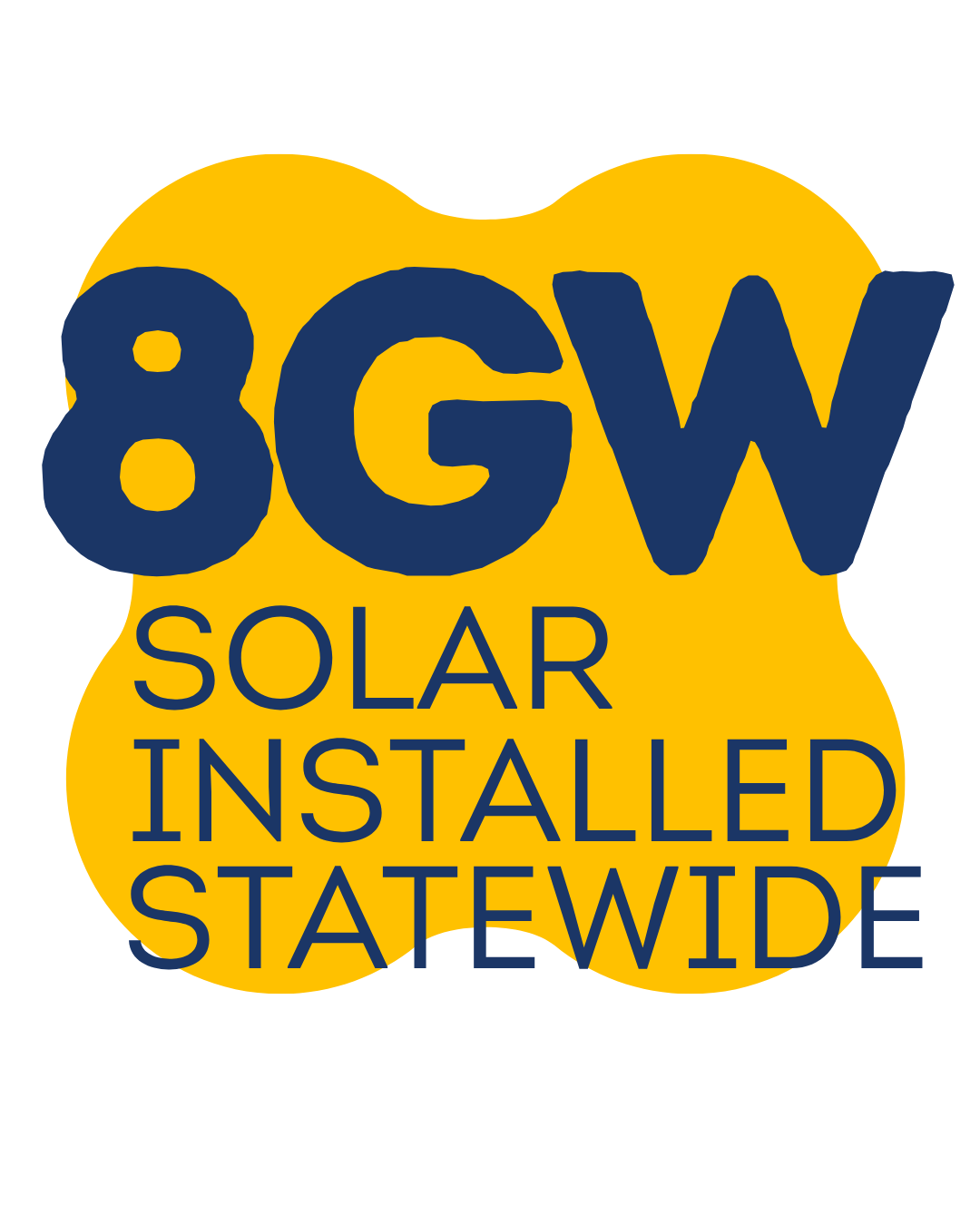
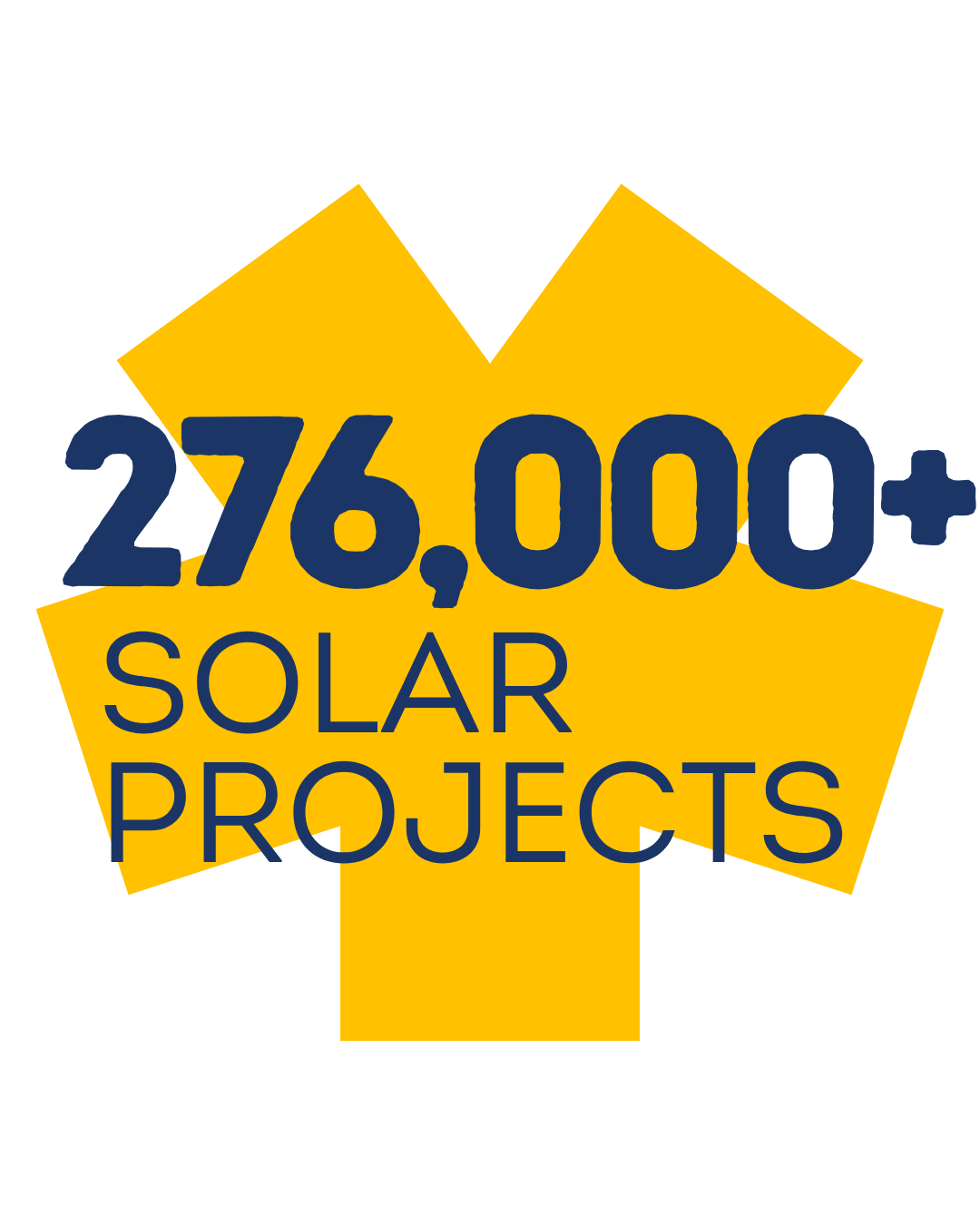
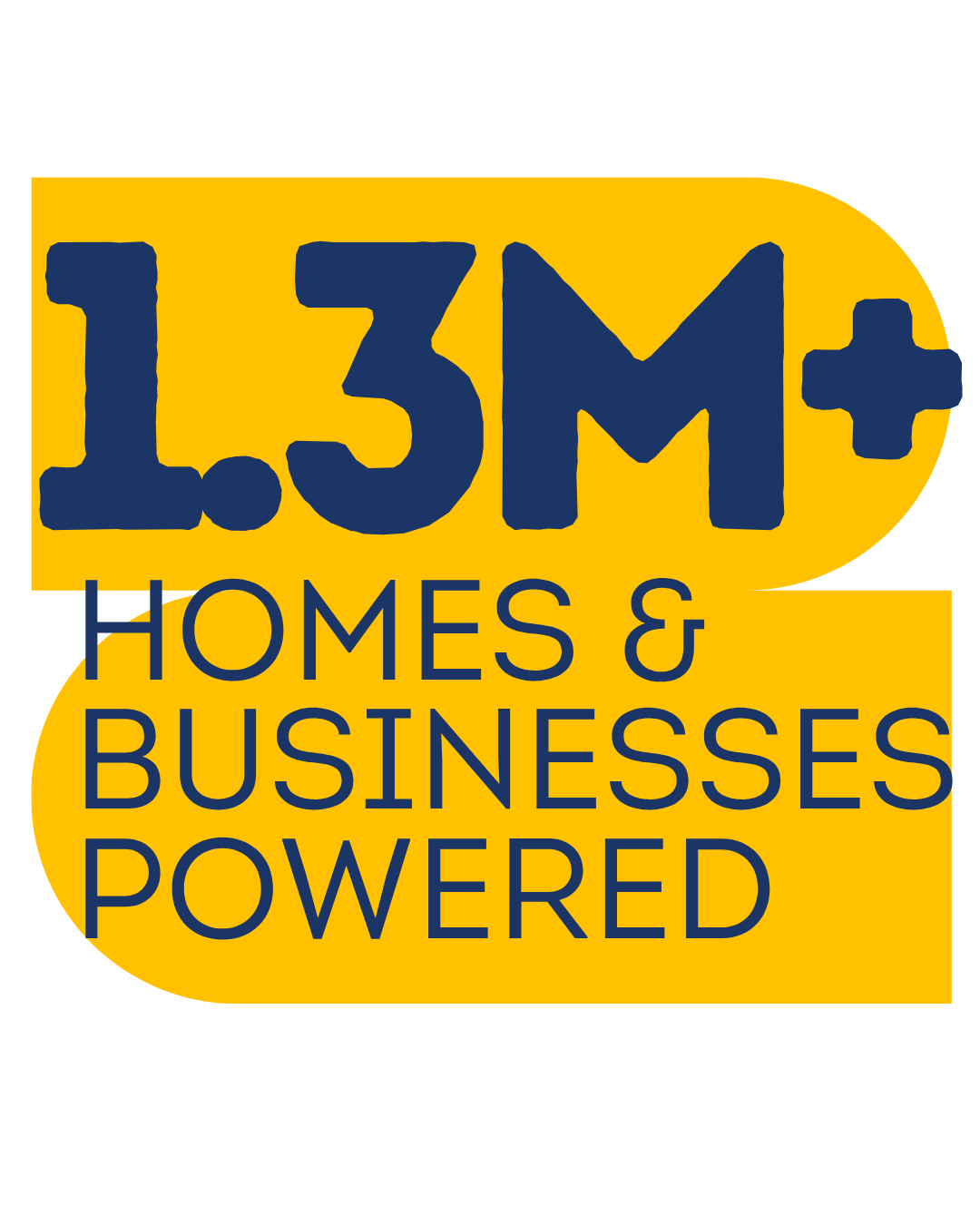
Solar energy is electricity made directly from sunlight. The cells in a solar panel convert light into an electric current without burning any fuel and without any moving parts. That current either powers the building the panels are attached to or flows onto the electric grid for everyone to use. Over the past decade, solar has become one of the least expensive ways to generate electricity in the United States, which is the main reason we are seeing so much more solar than just a few years ago.
In 2019, to free the state from dependence on expensive, polluting fossil fuels and gain greater energy independence through non-polluting renewable resources, New York State passed the Climate Leadership and Community Protections Act (CLCPA). Every solar project pouring clean power onto the grid means greater energy independence and less pollution.
Solar puts clean, boundless energy in the hands of the people.
Wind Energy in New York
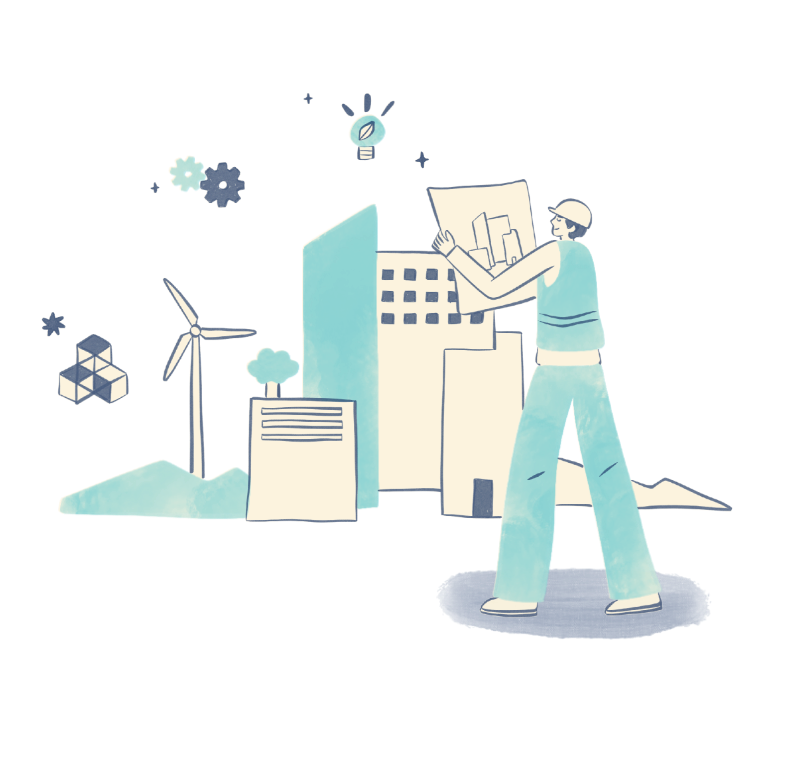
Wind energy is electricity generated by harnessing the natural movement of air. When wind turns the blades of a wind turbine, a generator converts that motion into electricity without burning fossil fuels or producing harmful emissions. That electricity moves onto the grid to power homes and businesses. With strong wind resources across the state, particularly along its coastlines and in upstate communities, New York has an opportunity to harness both land-based and offshore wind to reduce dependence on fossil fuels, strengthen energy independence, and create good-paying jobs.
In 2019, New York passed the Climate Leadership and Community Protection Act (CLCPA), committing to 70% renewable electricity by 2030 and a zero-emission electricity system by 2040. Wind turns one of New York’s most abundant natural resources into clean, homegrown energy, powering a more sustainable future for New Yorkers.


Battery Energy Storage Systems (BESS) in New York
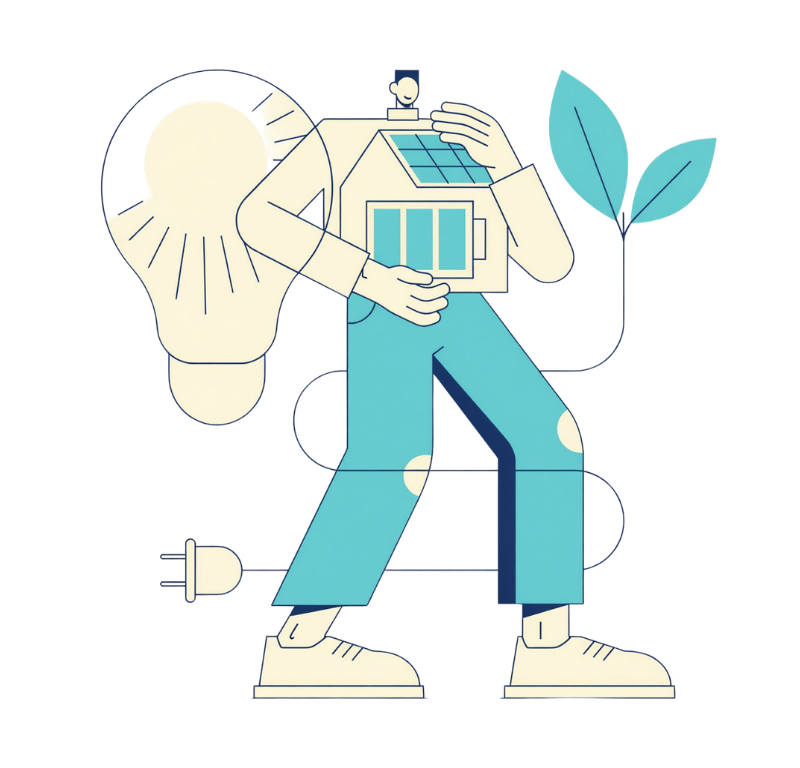
Battery Energy Storage Systems (BESS) store electricity for use when it’s needed most. These systems release energy back onto the grid when demand increases. By storing excess electricity from renewable sources like wind and solar, batteries help make clean energy available even when the sun isn’t shining or the wind isn’t blowing. They also reduce the need for polluting fossil-fuel-powered peaker plants during periods of highest demand on the grid. These peaker plants are turned on to meet periods of high electricity demand and can be particularly harmful because they release harmful air pollutants that worsen air quality and increase health risks to nearby communities.
Battery storage is becoming an increasingly important part of a reliable and flexible electric grid. Batteries can help balance electricity supply and demand and make better use of the fossil fuel-generated electricity already being created while making way to support a robust, clean-powered electric grid of the future.